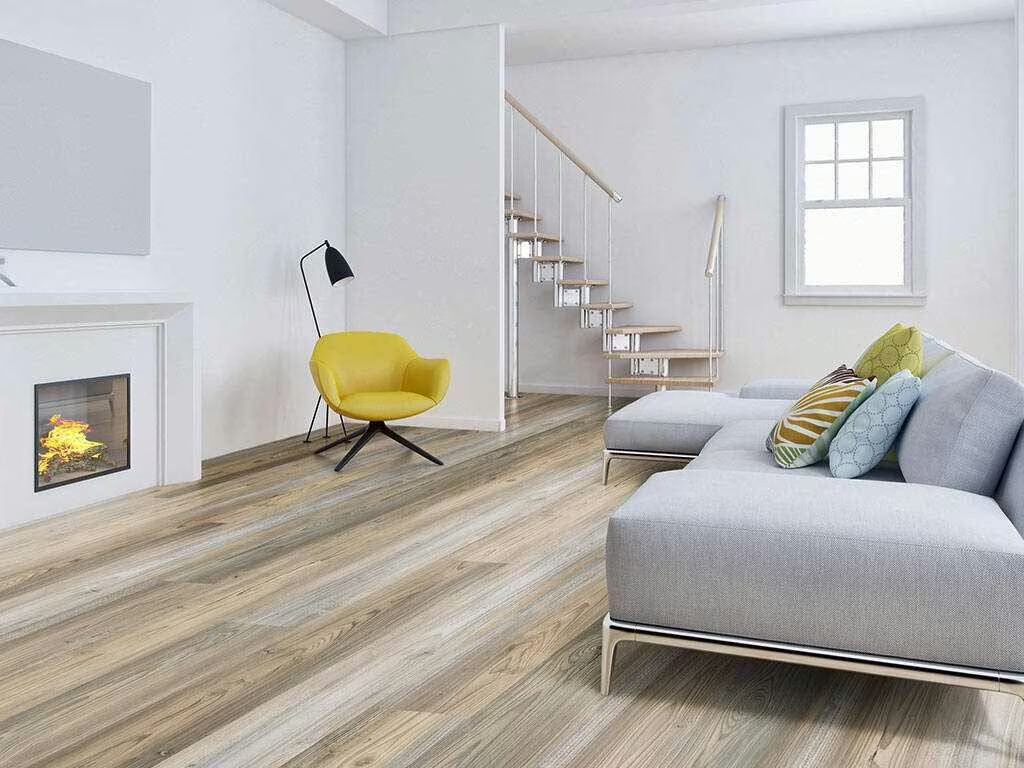
The flooring aisle has changed. No longer are homeowners limited to hardwood, tile or carpet. Today’s engineered options, vinyl and laminate, offer stunning aesthetics, durability and affordability that rival premium materials. But here’s the catch they’re not interchangeable. Choosing between vinyl and laminate flooring requires understanding your lifestyle, your space and your priorities. Laminatparadies specializes in helping customers navigate this decision with clarity and expertise.
Water Resistance The Critical Difference
If there’s one factor that separates vinyl from laminate, it’s water resistance. Vinyl flooring is inherently waterproof thanks to its plastic-based composition. Spill red wine on vinyl at midnight and you simply wipe it up. Laminate, by contrast, is made from wood-based materials with a protective coating. A small splash? No problem. A flooded bathroom? That’s a different story. Water can seep into the core, causing swelling and permanent damage. This fundamental distinction makes vinyl superior in kitchens, bathrooms, basements and laundry rooms. Flooring shines in bedrooms, living rooms and formal dining areas where moisture exposure is minimal. At Laminatparadies, they guide customers toward vinyl for wet zones and laminate for dry spaces, ensuring your flooring investment survives your actual lifestyle.
Aesthetics and Realism
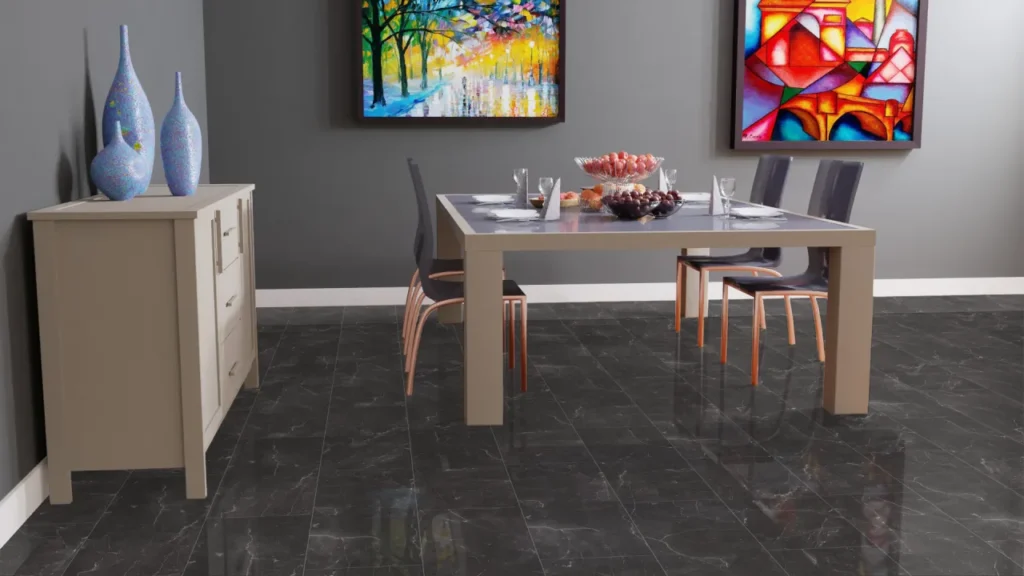
Here’s where this gets interesting. Flooring has traditionally excelled at mimicking the warmth and character of real hardwood. Modern laminate achieves stunning realism through high-definition photography, embossed surfaces and variable plank widths. It simply looks more authentic than vinyl and for many homeowners, that matters. Vinyl, meanwhile, has evolved dramatically. Today’s luxury vinyl plank and sheet products offer photorealistic detail, complete with hand-scraped textures, beveled edges and authentic color variation. If you crave the authentic look and feel of hardwood and don’t have moisture concerns, vinyl vs laminate flooring comparisons often favor laminate for visual warmth. But if you want hardwood appeal with bathroom-level durability, modern vinyl delivers.
Sound and Comfort Underfoot
Walk barefoot on laminate versus vinyl and you’ll notice a difference. Laminate feels slightly warmer and more substantial, it has a solid, natural quality that resonates with people who prize that authentic wood sensation. Vinyl feels a bit cooler and softer, particularly if it’s thicker or contains a foam layer. Acoustically, laminate can be noisier; footsteps echo and moving furniture across it produces a clinking sound. This is where underlay matters enormously. The right Trittschalldämmung (acoustic underlay) transforms a noisy laminate floor into a whisper-quiet one. Vinyl, by nature, is quieter and deadens sound better. For households with children, pets or downstairs neighbors, vinyl flooring wins on silence. For those valuing natural acoustics and authentic feel, properly underlaid flooring reigns supreme.
Installation and DIY Potential
Both vinyl and laminate employ click-lock systems that allow handy homeowners to install them without professional help. Vinyl is forgiving; it’s thin, flexible and mistakes are easily corrected. Laminate requires more precision, you must acclimate it to your home’s temperature and humidity for 48 hours before installation. Subfloor preparation matters more for laminate; any humps or dips will telegraph through, creating movement and gaps. For DIY enthusiasts, vinyl is friendlier. For perfectionist results, both benefit from professional installation. Laminatparadies provides detailed guidance on installation requirements, underlay selection and preparation steps that turn ambitious DIYers into confident installers or help them understand what professional contractors will do.
Durability and Longevity
Expect vinyl flooring to last 10-20 years with proper care. High-quality flooring can last 15-25 years or longer, particularly products from premium brands like Wineo, ter Hürne and Parador. Laminate’s core composition and protective finish make it naturally more scratch and dent-resistant than vinyl. Pets with sharp claws? Laminate holds up better. Heavy furniture? Laminate’s density resists indentation. However, vinyl’s resilience means it bounces back from impacts that would dent laminate. Neither is permanent, both are eventually replaced, but flooring offers slightly longer service life when maintained properly.
Cost and Value
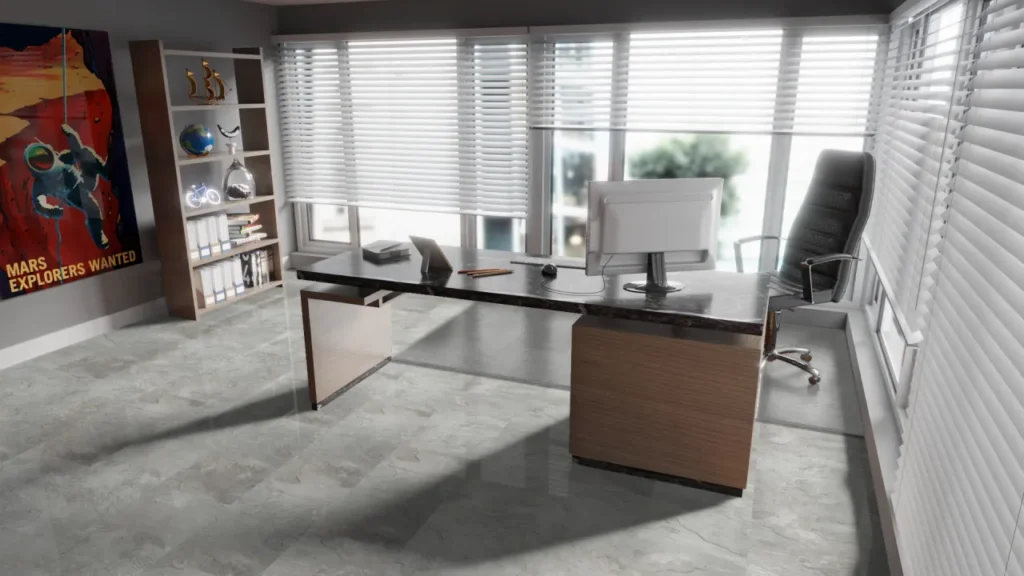
Vinyl is typically cheaper than laminate, both in material cost and installation. You can find quality vinyl for -5 per square foot, while quality laminate flooring ranges from -8 per square foot. Labor is similar. However, cost isn’t just purchase price; it’s lifetime value. Since flooring typically lasts longer and resists damage better, your cost per year of use might actually be lower with laminate. Laminatparadies helps customers calculate true investment by considering lifespan, maintenance needs and replacement likelihood rather than staring at sticker prices alone.
The Smart Decision Framework
- Kitchens, bathrooms, basements Choose vinyl flooring for waterproofing and easy cleaning
- Bedrooms, living rooms, offices Choose flooring for warmth, authenticity and longevity
- High-traffic areas Choose quality laminate flooring if dry; vinyl if moisture exposure is possible
- Pets or children Consider vinyl for resilience or premium flooring if impact resistance matters less than durability
- Budget-conscious Start with vinyl; upgrade to laminate in high-visibility rooms
Vinyl and flooring aren’t competitors, they’re complementary. The smartest homes use both strategically. Vinyl protects kitchens and baths while laminate flooring brings authentic warmth to primary living spaces. Visit Laminatparadies to explore both options, request samples and receive guidance tailored to your home’s specific demands. Their expertise ensures you’ll choose not the cheapest flooring, but the right flooring for your life.