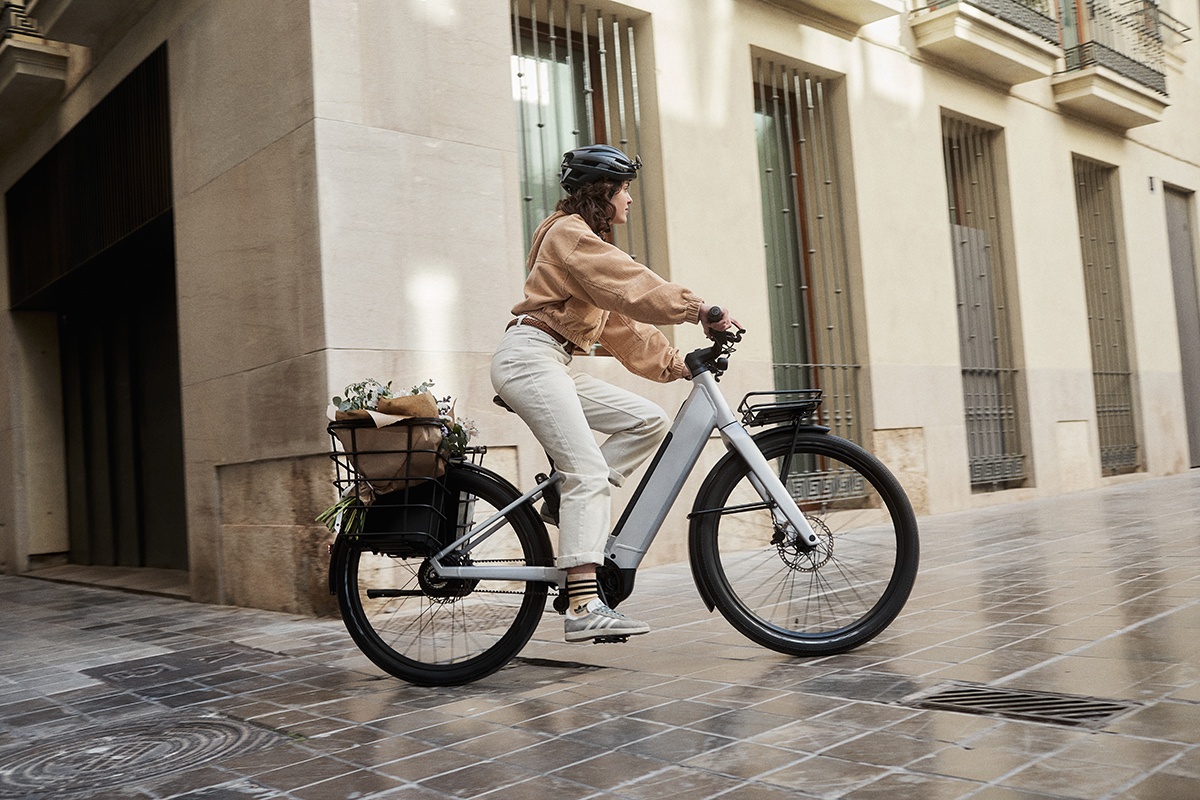
Most e-bike brands buy their motors from the same handful of suppliers, which means the real differences between competing bikes often come down to frame design and components rather than the drive system itself. HEPHA took a different, more expensive route: developing its own motor in-house, a project that took roughly 100 engineers close to five years to complete.
From P101 to P110: More Power, Same Weight
The HEPHA P101 motor set the baseline for the brand’s drive series, delivering up to 100 Nm of torque while weighing just 2.8 kg thanks to a magnesium housing, giving it a power density of roughly 35.71 Nm per kilogram. The newer P110 pushes that further, reaching up to 120 Nm of torque and 850 W of peak power at the exact same 2.8 kg weight, which works out to a power density of about 41.8 Nm per kilogram, among the highest currently on the market. Four onboard sensors and rapid motor control keep both generations responsive, translating rider input into support without the noticeable lag some mid-drive systems have.
Batteries Built for Energy Density, Not Just Capacity
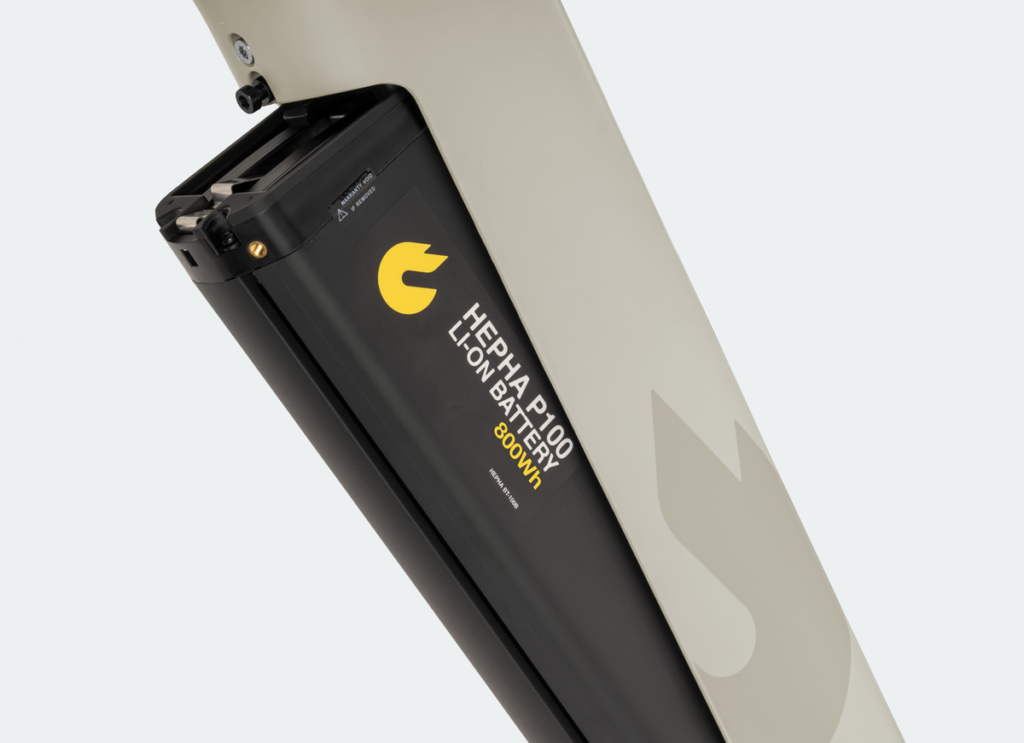
HEPHA’s lithium-ion batteries come in 708 Wh and 804 Wh capacities, weighing 3.8 kg and 4.03 kg respectively, built around 21700-format cells that prioritize energy density over sheer bulk. That matters in practice because a bulkier battery adds dead weight the motor then has to compensate for, undercutting the efficiency gains from the drive unit itself. Both capacities are compact enough to stay cleanly integrated into the frame rather than bolted on as an obvious afterthought, while remaining easy to remove for charging off the bike.
A Fast Charger That’s Actually Fast
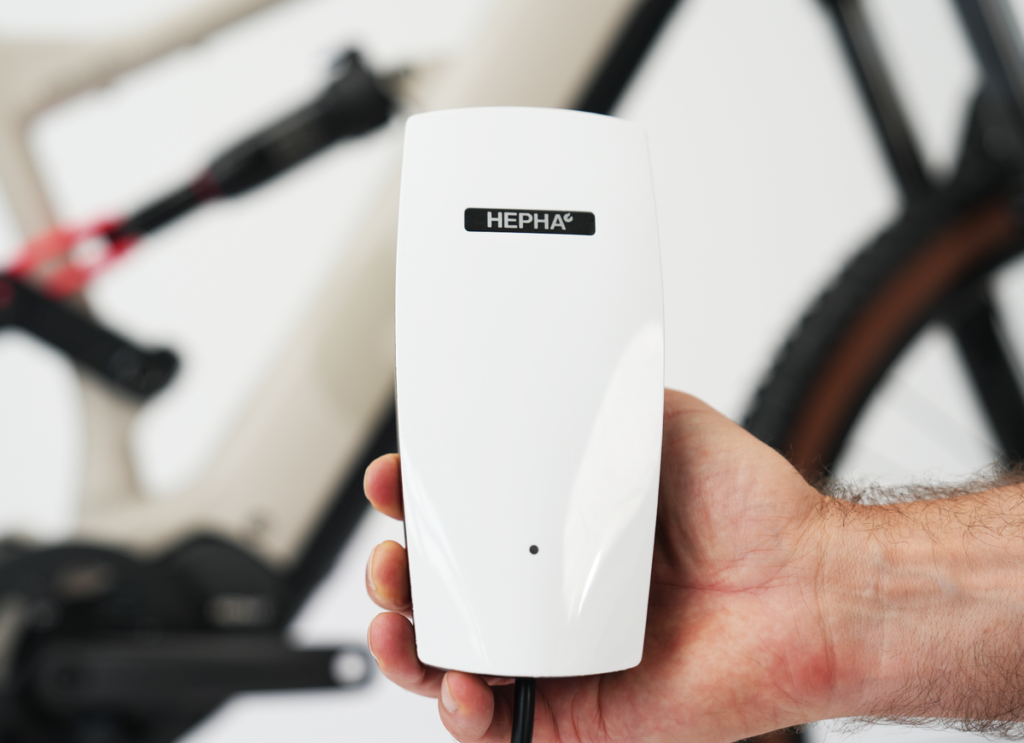
Every HEPHA ships with a 6A rapid charger as standard rather than as a paid upgrade, and the numbers back up the “fast” label: a 708 Wh battery reaches 50% in just 1.6 hours and a full charge in 4 hours, roughly 1.5 times quicker than the conventional chargers bundled with many competing e-bikes. The charger itself is rated IP65 for dust and water resistance, and at 635g it’s light enough to travel with rather than staying permanently mounted at home. It also doubles as a wall box, so charging setup at home doesn’t require separate hardware.
Two Motor Generations, One Consistent Ride Feel
Riders coming from an older HEPHA model won’t necessarily notice a difference switching between generations. The original P100 system used a spline crank standard and PLC-based software communication, while the P101 generation introduced in the 2024/2025 model year moved to the international ISIS crank standard and switched to CAN-based communication. Under the hood, those are meaningful engineering changes, but HEPHA has kept the actual riding characteristics identical across both generations, so the upgrade shows up in reliability and compatibility rather than a different feel on the road.
Tracking It All Through the HEPHA App
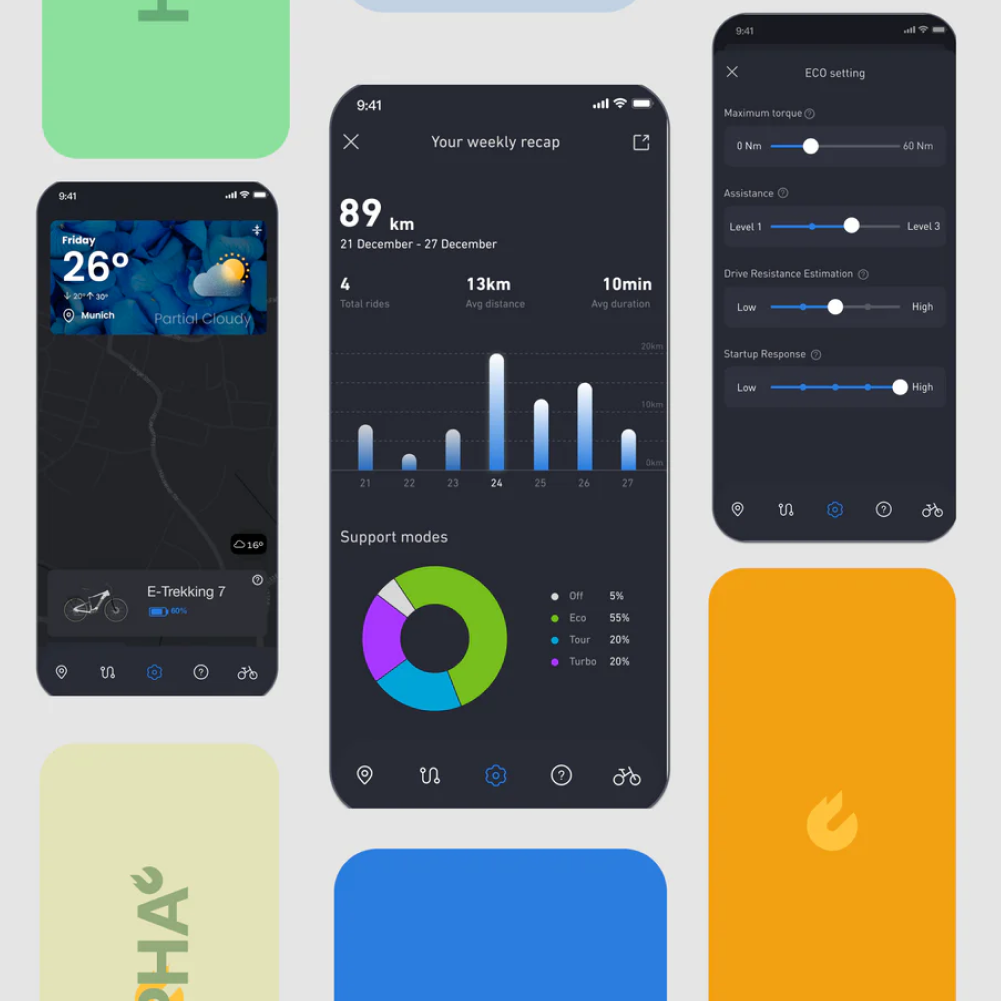
The drive system connects to the free HEPHA App over Bluetooth, which handles ride tracking, motor configuration, and firmware updates from a phone rather than a dealer visit. It’s also where features like the newer ErgoAdjust ergonomic tuning system live, meaning the app isn’t just a data logger bolted onto the bike but an active part of how the drive system gets configured and maintained over time.
Why Building In-House Was Worth the Effort
Buying an off-the-shelf motor is faster and cheaper than developing one from scratch, which is exactly why most e-bike brands do it. HEPHA‘s decision to spend nearly five years and 100 engineers on its own drive system only makes sense if the resulting power-to-weight ratio, thermal efficiency, and charging speed genuinely outperform what a bought-in motor could deliver, and the P101 and P110’s power density figures suggest that bet paid off rather than just adding development cost for its own sake.
The Bigger Picture
None of this drive technology matters much in isolation, but stacked together, the motor, battery, charger, and app form a system that’s genuinely engineered as one unit rather than assembled from whatever suppliers happened to be available. For anyone comparing e-bikes primarily on frame looks or component lists, it’s worth spending a little time understanding what’s actually driving the bike, and HEPHA’s own drive page goes into even more technical depth for anyone who wants to dig further before buying.