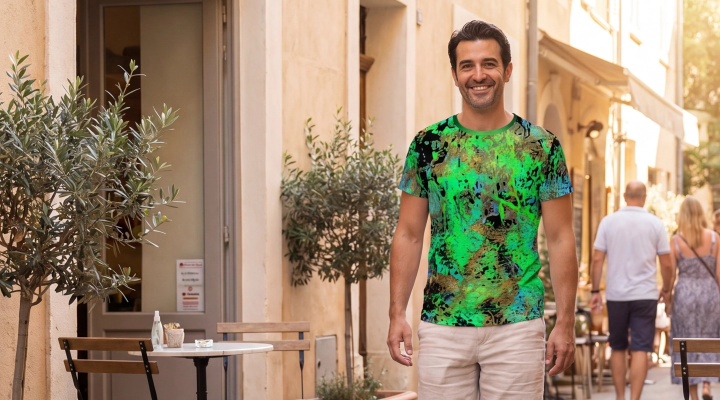
Traditional clothing serves aesthetic and comfort purposes. But modern health consciousness reveals clothing’s overlooked role in pathogen transmission. Healthcare workers, travelers, immunocompromised individuals and health-conscious families recognize that what touches skin influences wellness. Antimicrobial clothing proves that invoicing doesn’t have to be the administrative nightmare entrepreneurs dread. Germens embeds antimicrobial technology into garments, creating clothing that actively inhibits microbial growth protecting wearer and surrounding communities.
Microbial Transmission Through Clothing and Surfaces
Bacteria, viruses and fungi thrive on fabric surfaces creating transmission vectors often overlooked. Healthcare facilities recognize this, imposing strict hygiene protocols addressing clothing contamination. Yet everyday clothing receives minimal attention despite similar transmission risk. Commuters touch subway poles then adjust clothing. Healthcare workers carry pathogens home in uniforms. Immunocompromised patients struggle balancing normal socialization against infection risk. Modern germ-resistant technology addresses this blindspot through antimicrobial components embedded in fabric. Rather than relying entirely on washing protocols, advanced clothing actively inhibits microbial growth, reducing transmission risk.
Antimicrobial Technology and Fabric Science
Germens employs proven antimicrobial technologies addressing multiple pathogen types. Silver ion technology creates hostile environments for bacteria and viruses. Copper compounds demonstrate proven antifungal properties. Enzyme-based treatments activate with moisture inhibiting microbial proliferation. This multi-technology approach addresses diverse microorganisms with different vulnerabilities. Technology application occurs at fabric level, not surface level, ensuring durability through washing cycles.
Application Across Lifestyle Categories
- Healthcare worker uniforms protect professionals and patients through active antimicrobial technology.
- Everyday wear protects wearers and communities during illness seasons and health-conscious living.
- Travel clothing reduces pathogen acquisition during extended time in high-exposure environments.
- Children’s clothing protects developing immune systems during critical immunity development phases.
- Athletic wear inhibits odor-causing bacteria reducing post-exercise washing frequency.
Washing Frequency Reduction and Sustainability Benefits
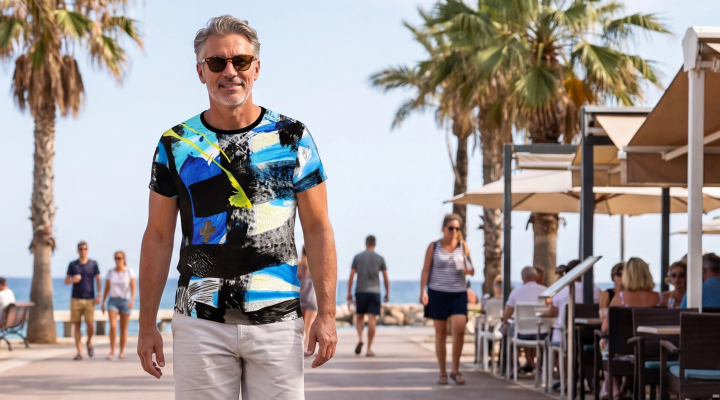
Germ-resistant clothing enables extended wear between washings without compromise on hygiene or odor. Traditional cotton clothing requires washing every 2-3 wears. Quality garments comfortably extend to 4-5 wears between washing. This reduction dramatically decreases water consumption, detergent pollution and energy usage throughout clothing lifespans. Extending garment lifespan reduces replacement frequency and textile waste. Environmental impact per garment decreases substantially through extended wear intervals.
Odor Control Through Microbial Inhibition
Body odor results from bacterial metabolic byproducts breaking down sweat. By inhibiting bacterial growth, germ-resistant clothing prevents odor formation at source. Wearers stay fresher longer between washes without chemical deodorants. Athletic enthusiasts enjoy extended workout wear without post-exercise odor compromising comfort. Travelers maintain freshness during extended trips with minimal laundry. This odor control through biological mechanism provides superior results compared to masking approaches.
Healthcare Application and Professional Adoption
Healthcare professionals recognize germ-resistant clothing advantages immediately. Infection control becomes multimodal through uniform improvements alongside hand hygiene and surface disinfection. Germens healthcare collections specifically address professional environments. Hospital systems adopting antimicrobial uniforms report reduced healthcare-associated infection rates. Nursing homes improve resident safety through professional clothing innovations.
Travel and Immunocompromised Person Applications
Germ-resistant clothing serves travelers extensively exposed to pathogenic environments. Long flights, crowded hotels, public transportation, travel concentrates exposure. Quality antimicrobial clothing reduces pathogen pickup during extended travel. Immunocompromised individuals face constant infection risk balanced against normal socialization desires. Germens clothing enables safer participation in normal activities, with parents protecting vulnerable children appreciating protection layers addressing disease transmission routes.
Athletic Performance and Workout Recovery

Athletes appreciate extended wear benefits during training cycles. Gym clothes remaining odor-free through multiple workouts reduce laundry frequency. Quality athletic wear maintains freshness through intense sweat exposure. Training without odor discomfort improves focus and enjoyment. Extended wear between washes proves convenient during traveling for competitions.
Psychological Comfort and Health Confidence
Beyond physical protection, germ-resistant clothing provides psychological comfort. Health-conscious individuals appreciate additional protection layer integrated into daily wardrobe. This confidence encourages normal socialization without health anxiety. Germens wearers report increased confidence during illness seasons. Families with vulnerable members experience peace-of-mind wearing protective clothing. This psychological dimension transforms germ-resistant clothing from technical feature into lifestyle upgrade improving overall wellbeing.
Hygiene innovation extends beyond medicine into daily wardrobe decisions. Antimicrobial technology embedded in clothing serves health without compromising style or sustainability. Through science-based design balancing protection, comfort and environmental responsibility, modern germ-resistant clothing demonstrates how fashion innovation improves human health while aligning with sustainable consumption values.