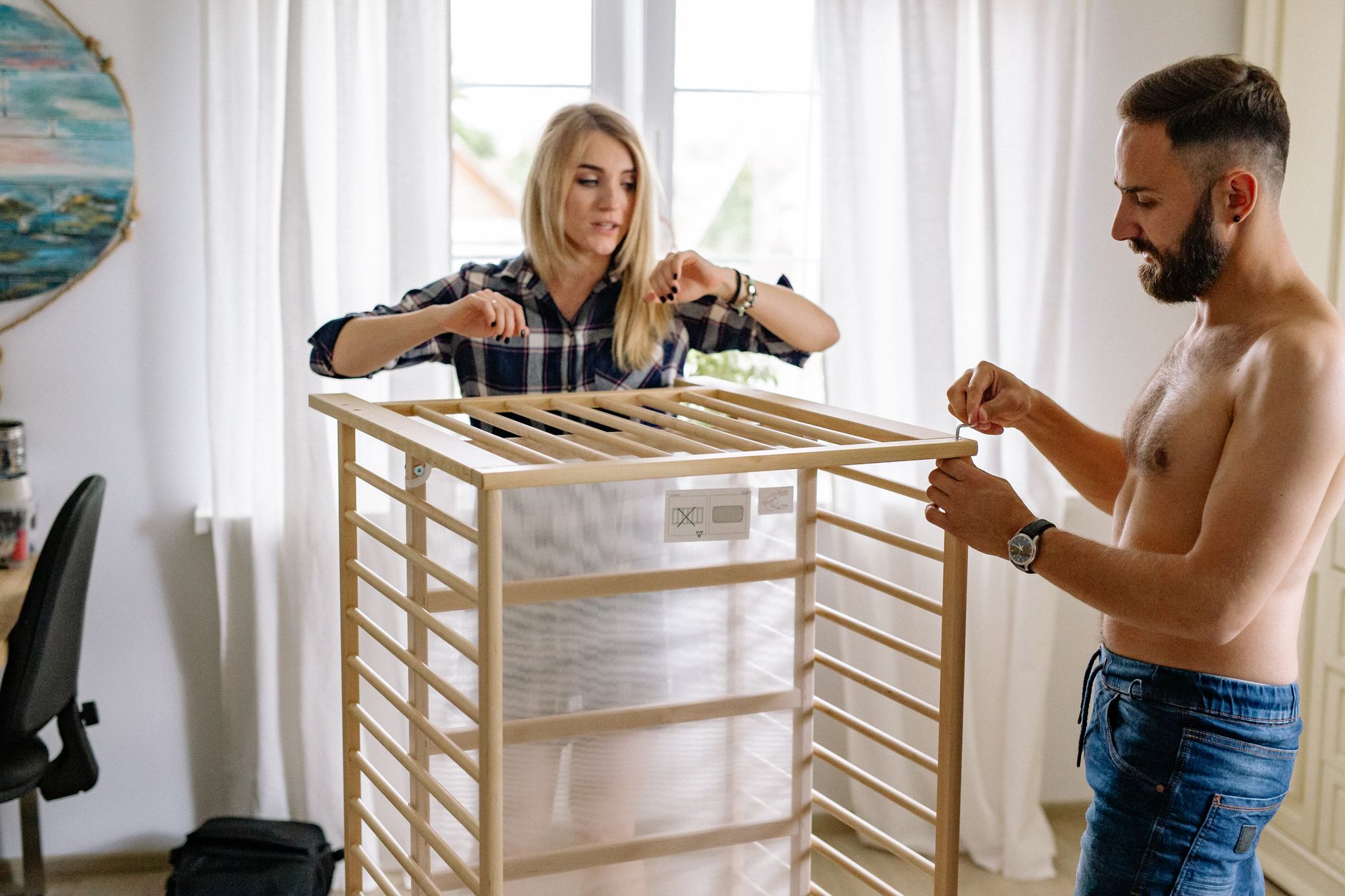
Childhood is a journey of rapid transformation. In the span of just five years, a helpless newborn becomes an independent, curious individual with preferences, skills and a growing sense of autonomy. The physical environment plays a more significant role in supporting child development than many parents realize. Furniture and equipment designed to adapt alongside your child’s changing needs become quiet partners in their growth, quietly supporting developmental milestones while reducing parental stress and expense.
From Newborn to Infant The Foundation Years
The first months of life demand furniture that prioritizes safety and parental ease. A secure crib with adjustable mattress heights allows parents to place and retrieve a newborn without excessive bending, crucial during those hazy, sleep-deprived early weeks. As infants grow and begin pulling themselves up, the mattress can be lowered to prevent falls. Geuther designs cribs with these transitions in mind, eliminating the need to purchase entirely new pieces as your child develops new motor skills. A changing table positioned at comfortable height during the newborn stage can remain functional as your child grows, simply serving new purposes as circumstances change.
The Toddler Transition Flexibility in Design
The shift from crib to toddler bed represents a major child development milestone. Rather than replacing furniture entirely, convertible pieces that transform a crib into a toddler bed allow your child to remain in familiar surroundings while gaining independence. This continuity reduces stress for the child during a significant adjustment period. Similarly, the furniture surrounding the bed can be reconfigured as your toddler develops. Low shelves become accessible for independent play and learning, dresser drawers positioned at child height encourage autonomy in clothing selection and storage systems reorganize to support new interests and activities.
Supporting Independence and Exploration
As children move from toddler to preschool years, their developmental needs shift dramatically in ways that understanding child development principles can help illuminate. They begin to assert preferences, organize their own play and take increasing responsibility for their space. Geuther furniture that accommodates these changes supports healthy development. Open shelving allows children to see and access their belongings, encouraging organization and independent decision-making. Furniture sized appropriately for smaller bodies means children can use their space with confidence rather than frustration. Low hooks for hanging items, accessible drawers for storage and workspace surfaces at appropriate heights empower children to manage their own environment.
Durability Meets Developmental Needs
Quality furniture must withstand the physical demands of childhood while remaining safe and functional through multiple developmental stages. A well-made dresser survives not only the daily use of a toddler but also the more vigorous interaction of an active preschooler. Smooth drawer mechanisms remain functional after years of opening and closing, while solid construction prevents wobbling or tipping that could injure an energetic child. Geuther products are engineered to endure this progression, maintaining safety standards throughout their lifespan rather than degrading with use.
Key Features That Support Growing Children
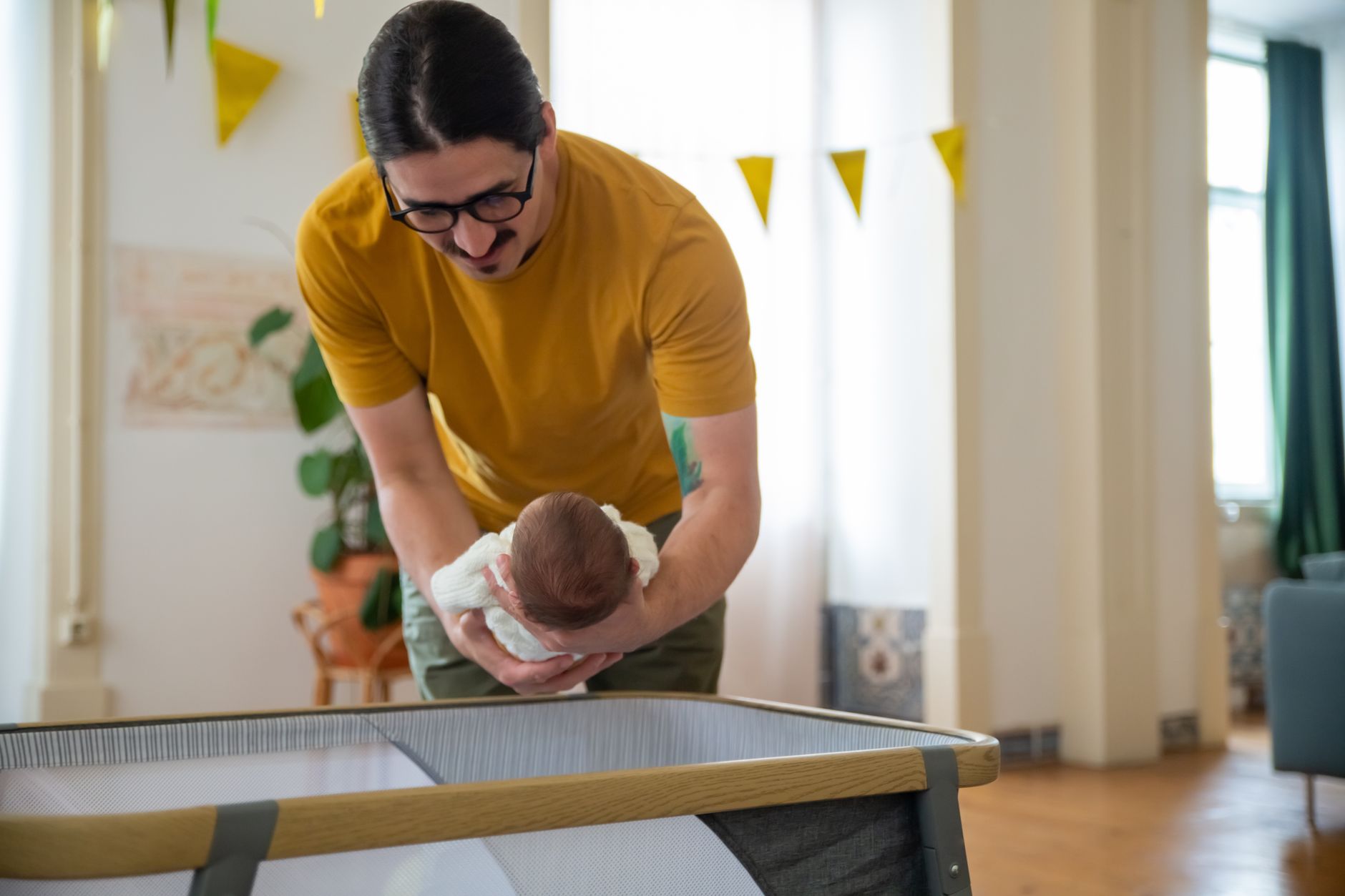
When selecting furniture that will adapt across multiple developmental stages, certain features prove essential to long-term functionality and safety
- Adjustable components such as mattress heights, shelf positions and drawer depths that evolve with your child’s size and capabilities
- Convertible designs that transform from one function to another, eliminating the need for complete replacement as needs change
- Durable construction that maintains safety and appearance through years of intensive use by growing, increasingly physical children
- Accessible features positioned at appropriate heights for children of different ages, encouraging independence and autonomy
- Quality finishes and materials that withstand spills, marks and the general wear of active childhood without deteriorating or becoming unsafe
Adaptable Storage for Evolving Interests
Children’s interests shift remarkably quickly. The toys that captivate a toddler become irrelevant to a preschooler within months. Modular storage systems that reorganize easily allow the room to evolve as your child’s needs change. Baskets and bins can be repositioned, shelves adjusted and furniture reconfigured without requiring replacement. This adaptability extends the useful life of each piece while allowing the space to feel fresh and relevant to your child’s current stage. Storage solutions that grow with the child reduce parental frustration while teaching valuable lessons about organizing and maintaining one’s own space.
The Multi-Child Family Advantage
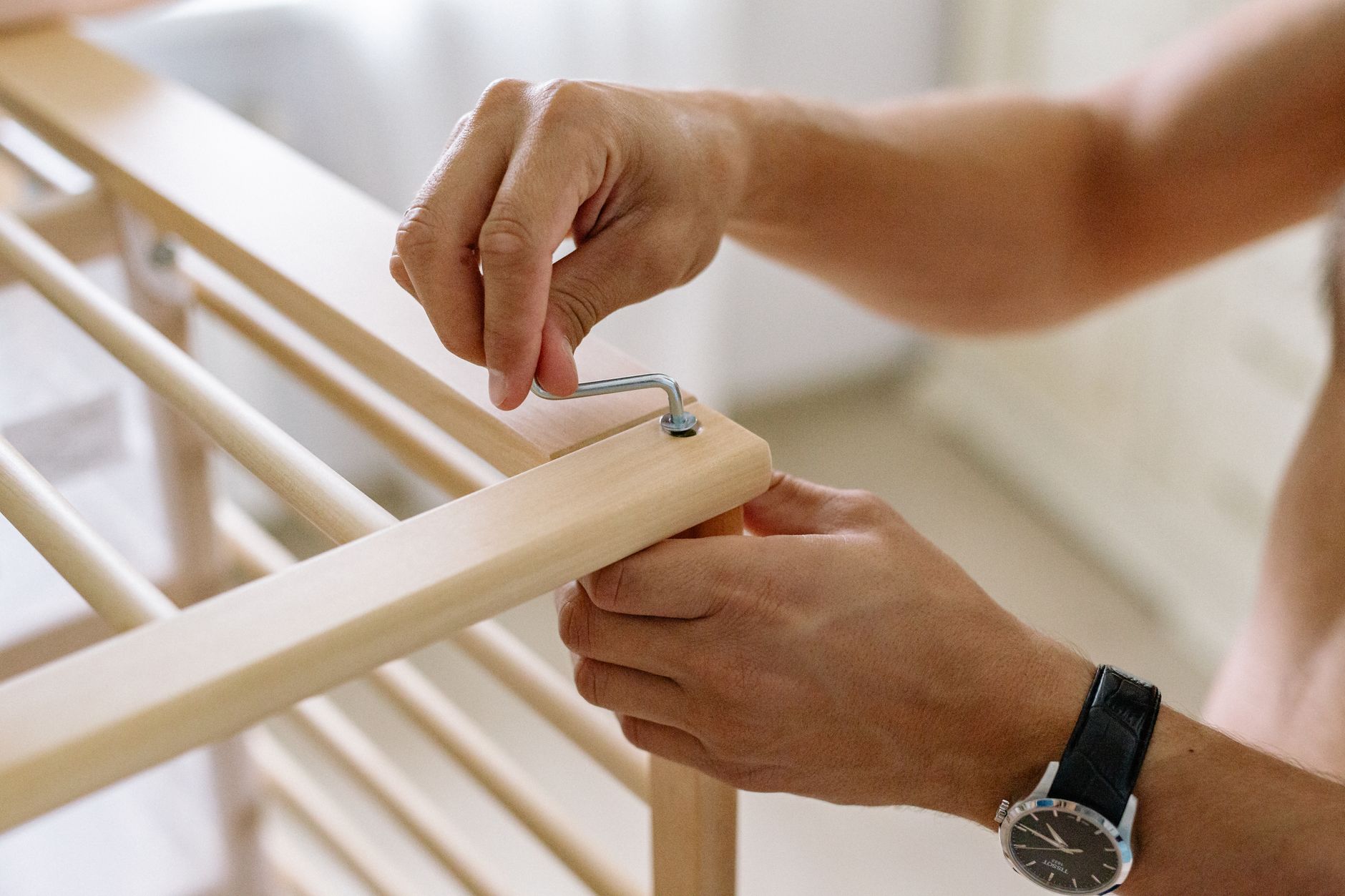
For families with multiple children, furniture that adapts across developmental stages offers substantial financial and logistical benefits. A piece that served one child’s needs as an infant can be reconfigured for a toddler’s preschool years, then stored or repurposed for the next child’s arrival. This reusability across a family’s complete childhood journey transforms initial investment into genuine long-term value. Geuther pieces frequently appear in homes with three or four children, each progressing through the same spaces adapted to their current needs.
Psychological Benefits of Consistent Spaces
Children thrive when their environment remains relatively stable and familiar even as they change. Rather than repeatedly replacing nursery furniture as the child outgrows each stage, maintaining the same pieces while adapting their function provides continuity. A crib that becomes a toddler bed remains recognizable and reassuring even as its function transforms. This familiarity supports emotional security during the challenging transitions of early childhood. Children feel more in control when they can understand and navigate their space, supporting both practical independence and emotional wellbeing.
Long-Term Value and Sustainability
Purchasing furniture designed to adapt through multiple developmental stages aligns with both practical family economics and broader sustainability values. Rather than discarding and replacing pieces every few years, families can utilize the same quality items across years of use. This approach reduces waste while demonstrating to children that durable, well-made items deserve care and respect. The sustainability message embedded in such choices becomes part of family culture and values. Thoughtfully selected furniture becomes an invisible partner in your child’s development, supporting independence while ensuring safety across years of change and growth. Geuther exemplifies this approach, offering pieces that adapt as your child does, transforming nursery into bedroom, crib into bed and adjusting functionality to match evolving needs.
The result is a space that feels intentional and supportive throughout the entire early childhood journey, with furniture that evolves as gracefully as your child grows.