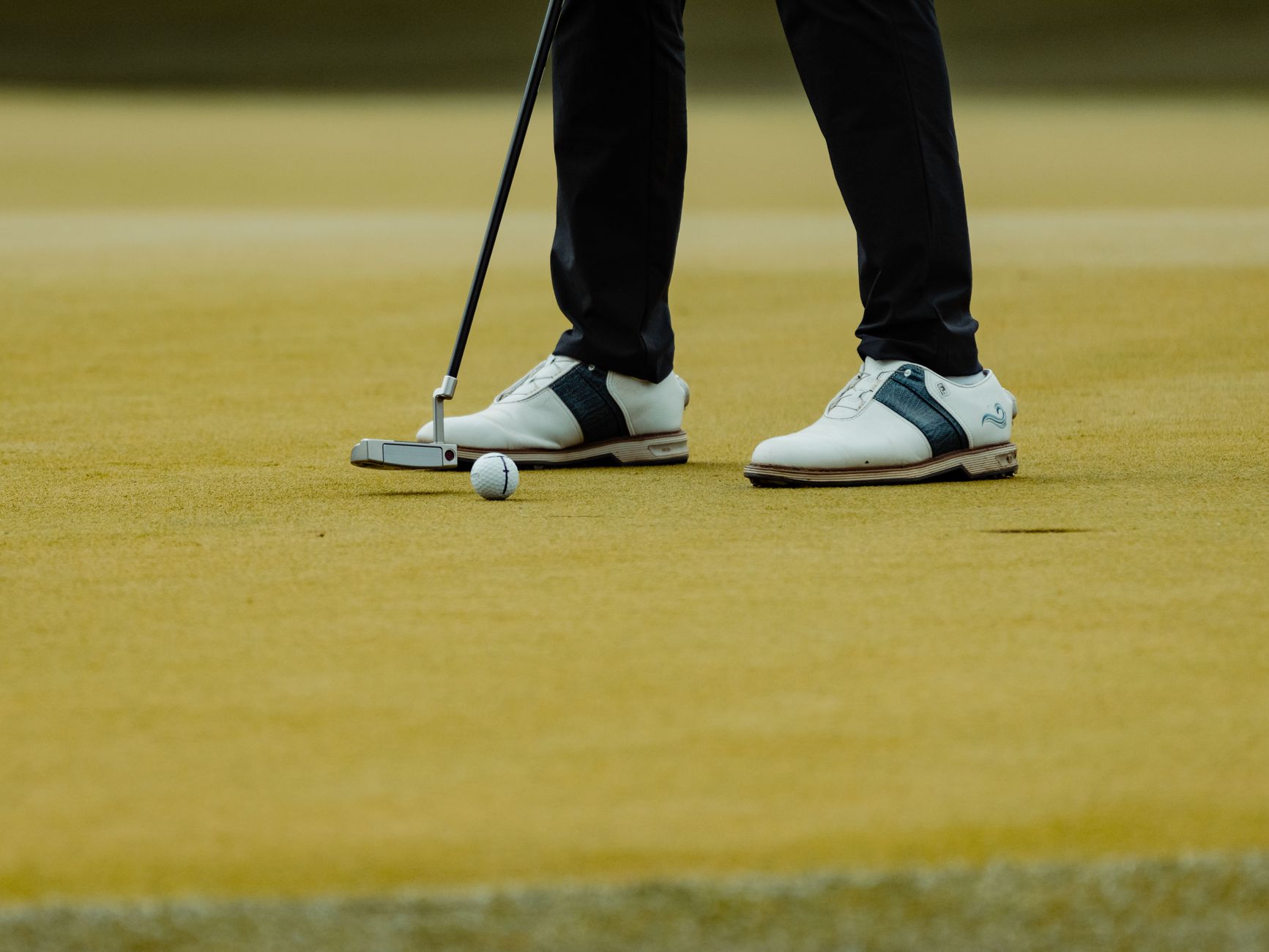
Modern golf footwear represents decades of innovation, biomechanical research and material science advances. The shoes golfers wear today are fundamentally different from models of just ten years ago, engineered with precision that rivals equipment used in professional sports performance. Understanding the technology embedded in contemporary golf shoes reveals why the right footwear matters so much to course performance and long-term player development. Golf shoe technology has evolved dramatically, transforming how players approach comfort and stability on the course.
Biomechanical Engineering and Foot Support
The human foot contains 26 bones, 33 joints and more than 100 muscles and tendons. During a golf swing, these structures experience enormous stresses as the body rotates and transfers weight through the legs. Modern golf footwear incorporates orthotic-quality arch support that rivals custom insoles designed by sports podiatrists. The engineering behind this support extends to the heel counter, which stabilizes the calcaneus (heel bone) and prevents excessive pronation or supination during the swing.
FootJoy and similar premium manufacturers employ advanced foot scanning technology to understand how different arch types interact with shoe construction. This data drives the design of midsole materials, lacing patterns and internal support structures. When a golfer steps into properly engineered golf shoes, the immediate sensation of stability reflects months of computational analysis and testing. The result is a shoe that supports natural foot biomechanics rather than forcing the foot into an unnaturally rigid position.
Advanced Materials and Cushioning Systems

The midsole is where the real golf shoe technology innovations emerge in modern golf footwear. Manufacturers now use proprietary foam compounds and gel-based cushioning systems that provide impact absorption while maintaining energy return. EVA foam, polyurethane materials and gel capsules work together to dampen the shock of walking on hard surfaces while remaining responsive enough to support an explosive weight transfer during the swing.
FootJoy utilizes multi-layer cushioning systems that distribute pressure across the entire foot rather than concentrating it under the heel. This approach reduces fatigue in the plantar fascia and metatarsal region, areas that bear significant stress during a full round. The cushioning maintains its resilience even after hundreds of rounds, resisting the compression breakdown that affects cheaper athletic shoes after a season of use. These advances in golf shoe technology represent a substantial investment in research and development by leading manufacturers.
Waterproofing Without Sacrifice
One of the most critical innovations in golf footwear has been the development of waterproof membranes that don’t compromise breathability or flexibility. Traditional waterproofing methods used full leather construction and rubber liners that felt stiff and heavy. Contemporary FootJoy shoes incorporate Gore-Tex or similar proprietary moisture barriers that are simultaneously waterproof and breathable.
These membranes work by allowing water vapor (perspiration) to escape while preventing liquid water from entering. The molecular structure of the material is engineered with pores small enough to block water droplets but large enough to allow gas molecules to pass. This technology means golfers can play in wet conditions without surrendering comfort or risking blisters from moisture buildup inside the shoe. The implementation of this technology requires precision manufacturing, which adds to the cost but delivers measurable benefits during play.
Core Technologies in Modern Golf Shoes
- Multi-density midsole systems that differentiate cushioning between the heel, arch and forefoot to match natural pressure distribution patterns.
- Waterproof membranes like Gore-Tex that maintain breathability while preventing water infiltration during rain or wet grass play.
- Specialized outsole compounds engineered for golf-specific traction that grips wet grass without interfering with swing mechanics or agility.
- Advanced lacing systems that distribute pressure evenly across the midfoot and provide micro-adjustments for customized fit without hot spots or pressure points.
- Lightweight construction using high-tech materials that reduce foot fatigue while maintaining structural support throughout an eighteen-hole round.
Sole Design and Traction Innovation
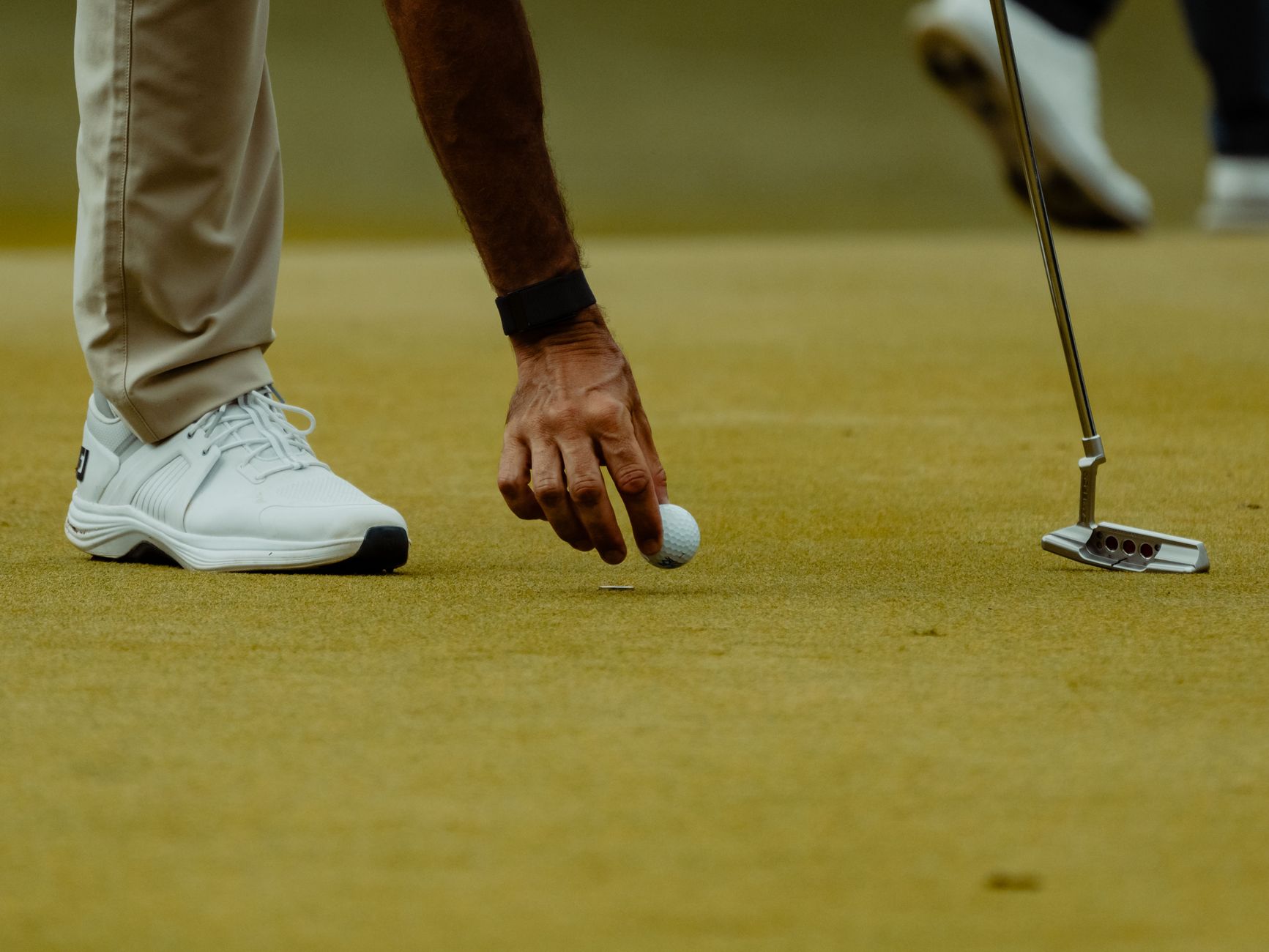
The outsole of a golf shoe must balance two competing demands maximum traction on slopes and wet surfaces, yet freedom of movement for an unencumbered swing. FootJoy engineers address this by using patterns of varying stud depths and configurations that respond differently depending on the direction of force applied. The shoe grips firmly when walking perpendicular to the slope but allows lateral movement during the swing.
Contemporary outsole materials are harder and more durable than traditional rubber, resisting the rapid breakdown that occurs when spikes or aggressive tread patterns bite into firm turf. The compound formulation changes depending on playing conditions, with some models offering spikes for maximum winter traction and others using softer spikeless designs for all-season versatility and club-to-ground clearance.
The Cumulative Comfort Effect
Comfort in golf footwear isn’t a single feature, it’s the result of dozens of engineering decisions working in concert. Every component, from the toe cap shape to the heel height to the lacing system configuration, contributes to overall comfort during extended use. FootJoy shoes deliver the highest comfort levels when all these systems work together properly, which is why professional fitting and proper sizing are so important.
The cumulative effect of advanced technology is measured in rounds played pain-free, in improved consistency because your feet aren’t sending distraction signals to your brain and in the confidence that comes from wearing equipment engineered by a brand with a century of golf heritage.