While the basic principle of the Certificate of Conformity remains constant, confirming that a vehicle meets EU type-approval standards, the practical details shift considerably depending on what kind of vehicle you’re importing. A luxury sedan requires different documentation than a commercial van; a motorcycle follows a distinct pathway compared to a minibus. Understanding these variations is essential for anyone planning a vehicle import, whether you’re a dealer shipping dozens of cars or an individual bringing one cherished vehicle across European borders. The good news is that specialized platforms like COC-Online have already mastered these distinctions and built their services around them.
Understanding Vehicle Categories and Type Approval
The EU’s classification system divides vehicles into distinct categories, each with its own type-approval standards and regulatory requirements. Passenger cars (M1 category) follow one regulatory pathway, commercial vehicles and vans follow another and motorcycles operate under yet another regime. This categorization exists because different vehicles pose different safety and environmental considerations. A family sedan’s safety requirements differ from those of a commercial lorry; motorcycles have entirely different emissions and structural standards than four-wheeled vehicles.
Each vehicle type carries its own COC format and requirements. When you obtain a COC through COC-Online, the system knows precisely which type of COC your vehicle requires based on its VIN and category. This is why entering the VIN is so critical, it allows the system to identify not just the vehicle but its precise regulatory classification, which determines everything from pricing to processing time to the specific document format that will be issued.
Passenger Vehicles The Standard Import Pathway
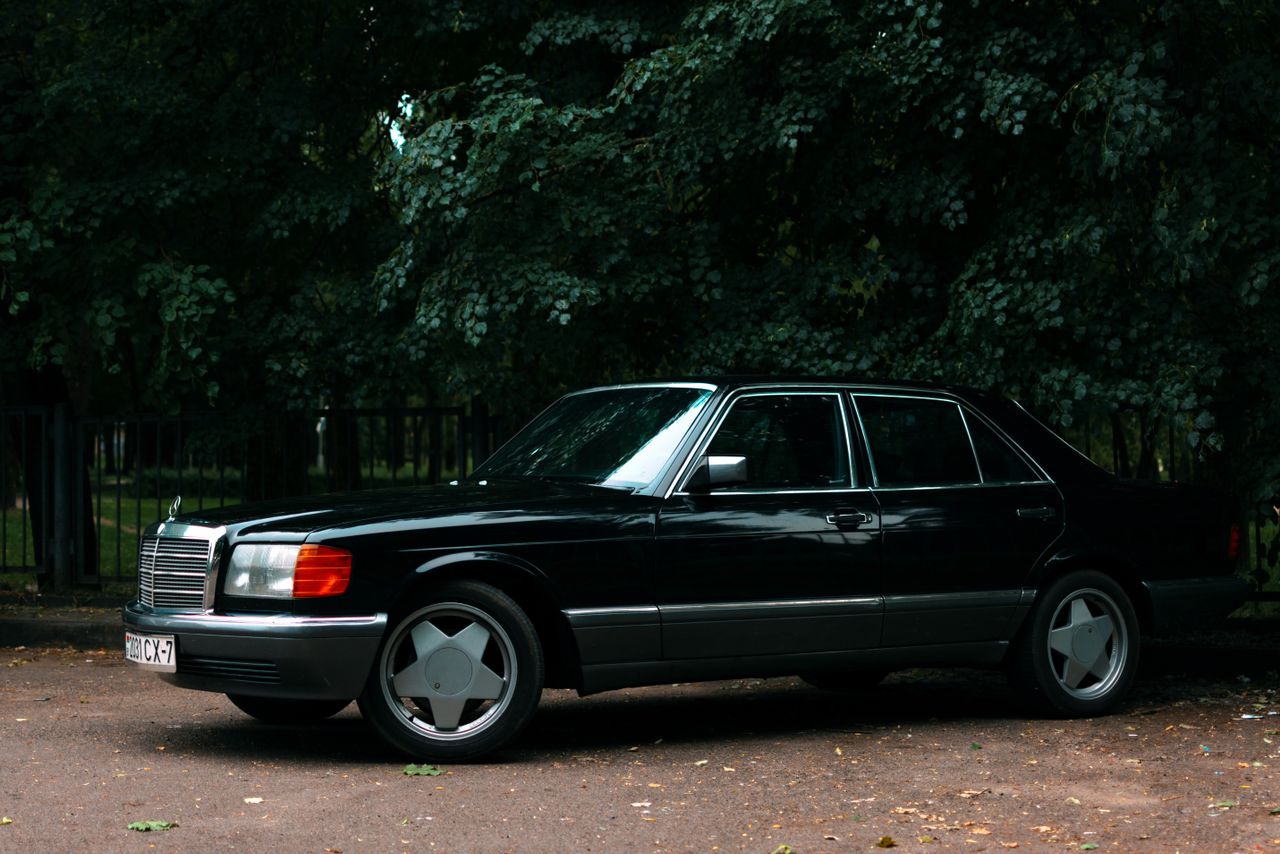
Passenger vehicles, sedans, coupes, SUVs, hatchbacks and estate cars in the M1 category, represent the most common vehicle imports across Europe. These vehicles have well-established type-approval standards that have been refined over decades. Most major manufacturers have streamlined processes for issuing COCs for passenger vehicles because they produce them in enormous volumes. As a result, processing times for passenger vehicle COCs tend to be faster, often arriving within 24 to 48 hours for popular brands.

The documentation for passenger vehicles is also generally more straightforward. The vehicle’s technical data, engine displacement, power output, emissions level, fuel type, dimensions, is well-documented by the manufacturer. Registration authorities across Europe have years of experience processing these documents. When you import a standard sedan or hatchback, COC-Online can typically offer immediate availability checking and rapid turnaround because the pathway is so established.
Commercial Vehicles and Specialty Categories
Commercial vehicles, vans, lorries, buses and purpose-built commercial vehicles, follow more complex regulatory pathways. These vehicles are often built with custom configurations; a manufacturer might produce a base vehicle that is then modified for specific purposes. This customization can create complications with type approval because the modified vehicle might not match the original type-approval certificate’s specifications. Each vehicle type in the commercial category requires its own distinct assessment because modified vehicles may not retain standard type-approval status.
Additionally, commercial vehicles often have different emissions standards than their passenger car equivalents. Larger engines, heavier vehicles and different operating profiles mean separate regulatory regimes. COC-Online handles these complexities through relationships with manufacturers that understand commercial vehicle regulations across all EU jurisdictions. Processing times for commercial vehicles may be longer, sometimes extending to the full 21-day window, but the expertise ensures the final document is correct and acceptable to registration authorities.
Key Factors Affecting COC Availability and Processing
- Vehicle type classification (M1, N1, M2, N2, L-categories for motorcycles) determines the regulatory framework and documentation required.
- Manufacturer location and how efficiently they process COC requests impacts delivery timelines significantly.
- Custom modifications to commercial vehicles may require individual assessment rather than standard type-approval certificates.
- Language and regional variations in type-approval documentation mean some manufacturers respond more quickly than others.
- COC-Online provides an instant VIN check that reveals expected availability and pricing before you commit to an order.
Motorcycles and Other Specialized Vehicles
Motorcycles operate under entirely separate regulatory frameworks from cars. While still subject to EU type-approval requirements, motorcycle regulations focus on different technical parameters, engine displacement, power output, brake specifications and emissions standards specific to two-wheeled vehicles. The COC for a motorcycle contains fundamentally different information than the COC for a car and registration authorities treat them as distinct document types.
Other specialized vehicles, three-wheelers, quad bikes and recreational vehicles, occupy their own regulatory categories. Each requires understanding of specific technical standards and administrative procedures. While COC-Online maintains relationships across manufacturers covering most common import needs, some extremely specialized vehicles might fall outside the standard service offerings, which is why their VIN checking system is so valuable, it tells you immediately whether your specific vehicle’s COC is obtainable through their network.
The Role of Individual Type Approval
For vehicles that don’t fit standard type-approval categories, extensively modified vehicles, extremely rare models or vehicles originally registered outside the EU, individual type approval may be necessary instead of a standard COC. Individual type approval is a more complex, expensive and time-consuming process conducted by independent testing facilities in the importing country. It’s designed for vehicles that cannot fit into existing regulatory categories.

The critical advantage of checking with COC-Online first is that their system immediately reveals whether a standard COC is available or whether your vehicle would require individual type approval. This early determination saves valuable time and money by preventing you from pursuing a standard route that won’t work.
International Registration and Documentation
When importing vehicles destined for multiple countries, understanding COC requirements across jurisdictions becomes important. While the COC itself is EU-recognized and valid across member states, Switzerland, the UK and Andorra, some countries may have additional requirements or local registration procedures. A vehicle might need a COC for initial registration in one country but then require additional documentation if moved to another jurisdiction later.
Cost Factors Across Vehicle Types
COC pricing varies based on the specific vehicle type and manufacturer. Standard passenger cars typically start around while commercial vehicles and more complex categories might carry higher fees. COC-Online’s transparent pricing system reveals the exact cost for your specific vehicle before you purchase, eliminating surprises. For high-volume imports, this cost becomes a manageable element of the business model; for individual importers, it’s a fixed, knowable expense that provides certainty and legal compliance.