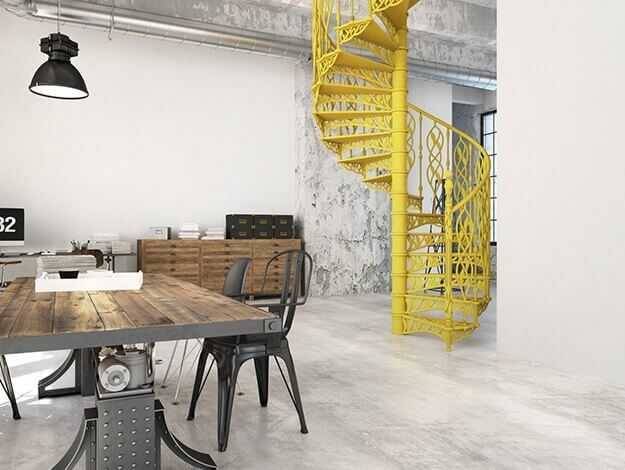
The furniture industry is one of the most wasteful sectors on the planet. Cheap manufacturing churns out disposable pieces designed to last two seasons, generating mountains of landfill waste while consuming massive amounts of resources in production. Yet a growing number of environmentally conscious consumers are rejecting this model entirely, choosing instead to furnish their homes with vintage, reclaimed and upcycled pieces. Indoortrend champions this sustainable approach, proving that environmental responsibility and stunning design aren’t mutually exclusive, they’re perfectly aligned. Vintage furniture represents the ultimate combination of style and conscience.
The True Cost of Fast Furniture
When you purchase a trendy new piece for you’re participating in a cycle of resource destruction. Manufacturing furniture requires energy, chemicals, water and raw materials. The piece arrives wrapped in plastic packaging, likely shipped internationally in containers burning fossil fuels. After a few years, it falls apart and goes to a landfill where it sits for decades. The environmental footprint is staggering. A solid wood table handcrafted decades ago carries a fraction of that environmental burden. Choosing vintage means the manufacturing impact is spread across years of use, the table could be in its third owner, still performing perfectly. Indoortrend recognizes this logic and sources pieces already in existence rather than participating in endless production cycles. The case for furniture becomes irrefutable when you examine the true lifecycle costs.
Genuine Quality That Justifies the Cost
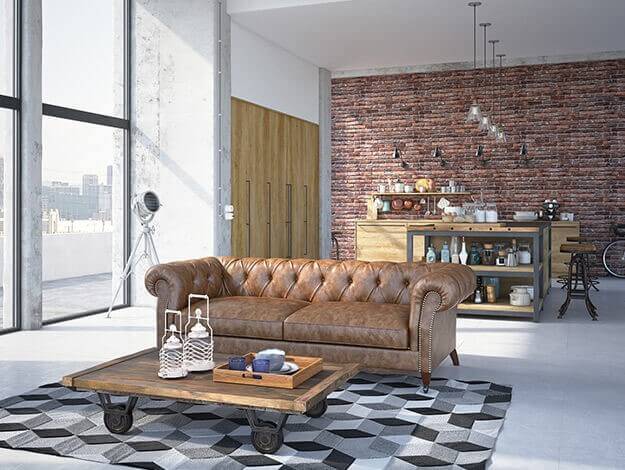
Vintage furniture represents a completely different quality standard from contemporary manufacturing. A mid-century dresser from solid walnut or mahogany was built to last generations. The joinery is handcrafted. The wood is selected for grain and character. Contrast that with modern particle board construction, literally compressed wood dust held together with glues that off-gas formaldehyde. Vintage pieces cost more because they’re actually built better. You’re not paying for fashion; you’re paying for engineering. Over the lifetime of ownership, the cost-per-year of quality furniture beats disposable fast furniture by orders of magnitude. A table used for thirty years costs per year. A cheap table replaced every three years costs per year and the planet pays additional costs that don’t appear on the receipt.
Hunting and Collecting The Joy of the Unique Furniture Experience
Furnishing your home with contemporary mass-produced pieces is passive consumption. You scroll, you click, items arrive in boxes that look like everyone else’s. Sourcing vintage and unique furniture is active engagement with your home’s aesthetic. You hunt, you discover, you develop relationships with craftspeople and dealers. Each piece has a story, who owned it before, how it was built, where it came from. This transforms your space from a catalog showroom into a curated collection reflecting your personality and values. Indoortrend facilitates this treasure-hunting experience by connecting you with distinctive pieces you won’t find anywhere else. The furniture isn’t just sitting there; it’s participating in the narrative of your life. Shopping for vintage furniture becomes an adventure, not a chore.
Supporting Artisans and Local Craftsmanship
When you purchase vintage or handcrafted pieces from sources like Indoortrend, you’re supporting independent artisans and small producers. The money flows to craftspeople, not to massive corporations with anonymous shareholders. You’re voting with your wallet for the kind of economy and creative culture you want to exist. These makers often source materials locally, use traditional techniques and prioritize quality over quantity. This creates economic activity that strengthens communities rather than extracting resources to centralized manufacturing hubs. Your furniture purchase becomes an ethical statement, not just an aesthetic one. The artisans behind your furniture are real people with real stories.
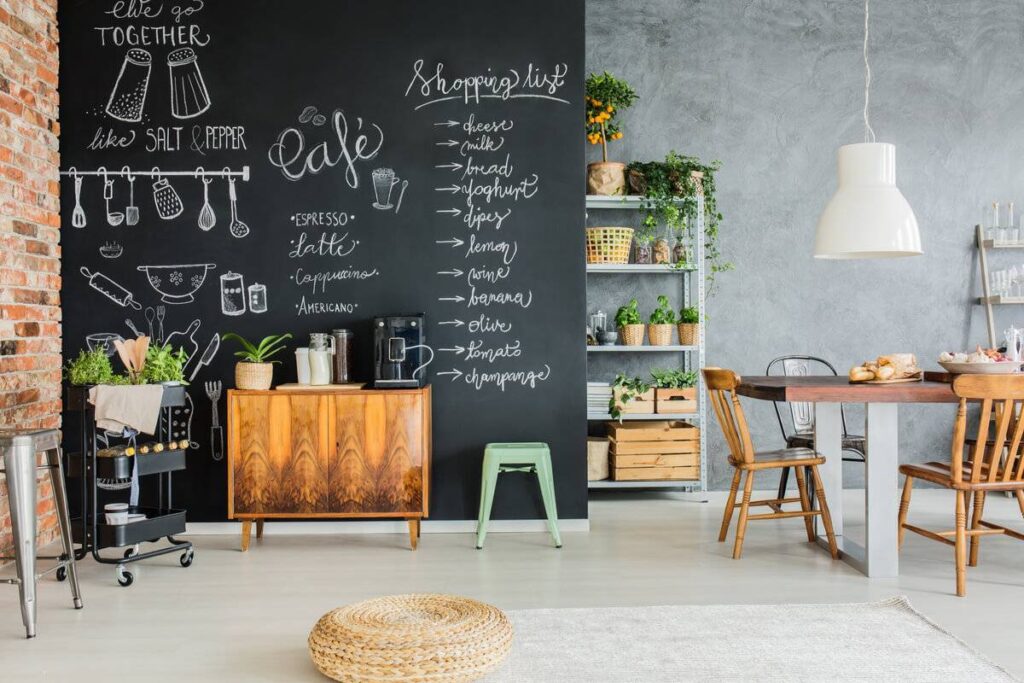
The Carbon Story Behind Your Furniture
Life cycle analysis, the measurement of environmental impact from creation to disposal, tells a compelling story. A vintage wooden table made fifty years ago has already paid its environmental debt many times over. At this point, every additional year of use is pure environmental gain. The table requires no new manufacturing energy, no new transportation, no new packaging. By contrast, a new particle-board table manufactured today begins its environmental journey with a massive carbon debt that requires years of use to amortize. Choosing vintage furniture means you’re not generating new environmental damage; you’re extending the useful life of products already manufactured. This is the most environmentally responsible furniture decision possible.
Creating Homes That Tell Stories Instead of Following Trends
Trend-based decorating means constantly updating your space as fashions shift. Industrial is in, so you buy industrial. Then minimalism dominates, so you replace everything with minimalist pieces. The furniture and unique design approach transcends trends because you’re selecting pieces based on intrinsic qualities, craftsmanship, functionality, beauty, materials, not passing fashion. A well-made vintage chair doesn’t need redecorating; it simply exists as a beautiful, functional object. Indoortrend offers pieces that will still be interesting and valuable ten years from now because they possess qualities deeper than trend appeal. Your collection becomes timeless instead of dated.
- Vintage and upcycled furniture dramatically reduces your environmental footprint compared to new manufacturing, as the production impact is already paid over decades of previous use
- Quality construction in vintage pieces ensures longevity measured in decades, not seasons, making the cost-per-year significantly lower than disposable fast furniture
- Sourcing unique pieces creates active engagement with your home’s design rather than passive consumption of catalog offerings available to everyone
- Supporting artisans and craftspeople through vintage furniture purchases builds ethical consumer practices and strengthens creative communities
- Trend-independent vintage pieces develop greater value and relevance over time as they transcend fashion cycles and reveal timeless design qualities
Sustainable living shouldn’t mean sacrificing beauty or comfort. Indoortrend proves that furnishing your home with conscience, character and quality is not only possible, it’s the most intelligent choice available. Your home becomes both a beautiful space and an ethical statement about the kind of world you want to create.