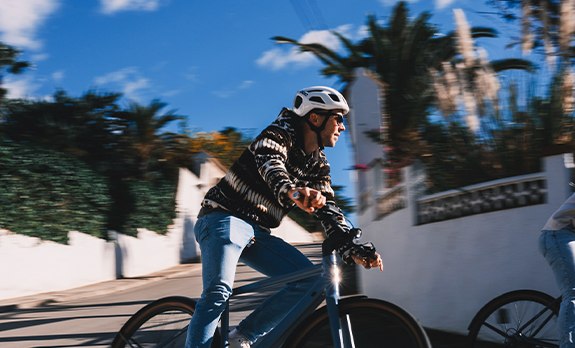
The morning rush hour. Packed buses. Traffic jams stretching for miles. Sound familiar? For millions of urban commuters, the daily journey to work has become less a commute and more a test of patience. Enter the modern solution high-performance urban e-bikes and specifically, the range that Deruiz has engineered to revolutionize city riding.
Premium brands have spent years perfecting what urban cyclists really need bikes that balance lightweight agility with robust daily-use reliability. The offering isn’t designed for off-road adventures or weekend warrior aesthetics. Instead, these machines prioritize getting you from A to B efficiently, comfortably and with a bit of style.
Why Urban E-Bikes Beat the Morning Commute
The traditional bicycle enthusiast might scoff at e-bikes, imagining them as crutches for the unfit. They’d be wrong. Electric assistance transforms the commute math entirely. A rider using quality urban models can reach work with barely a bead of sweat, arriving fresh and energized instead of exhausted. This isn’t cheating, it’s optimizing.
Weather becomes irrelevant when you’re not overexerting yourself. Rain, headwind, uphill sections that would normally derail your commute? The electric motor handles the variable load, letting the rider focus on navigation and enjoyment rather than leg power management. For daily commutes averaging five to fifteen kilometers, this changes everything.
Engineering Approach to Everyday Excellence
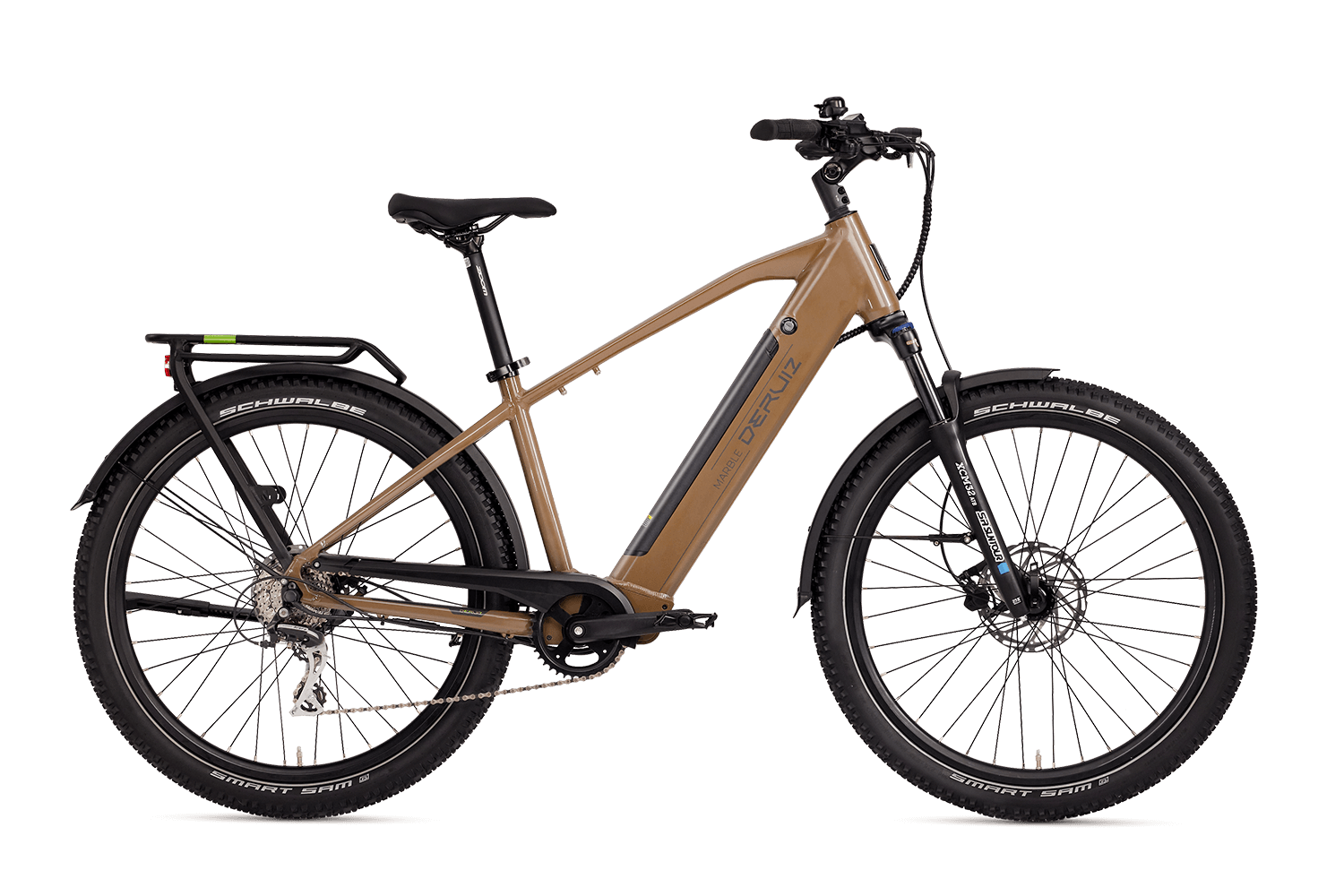
What separates Deruiz from the crowd isn’t flashy marketing, it’s thoughtful engineering rooted in understanding actual rider needs. Urban models arrive configured for city life integrated lights, robust frames designed for loaded panniers and drivetrains that tolerate the stop-and-go rhythm of urban riding without complaint.
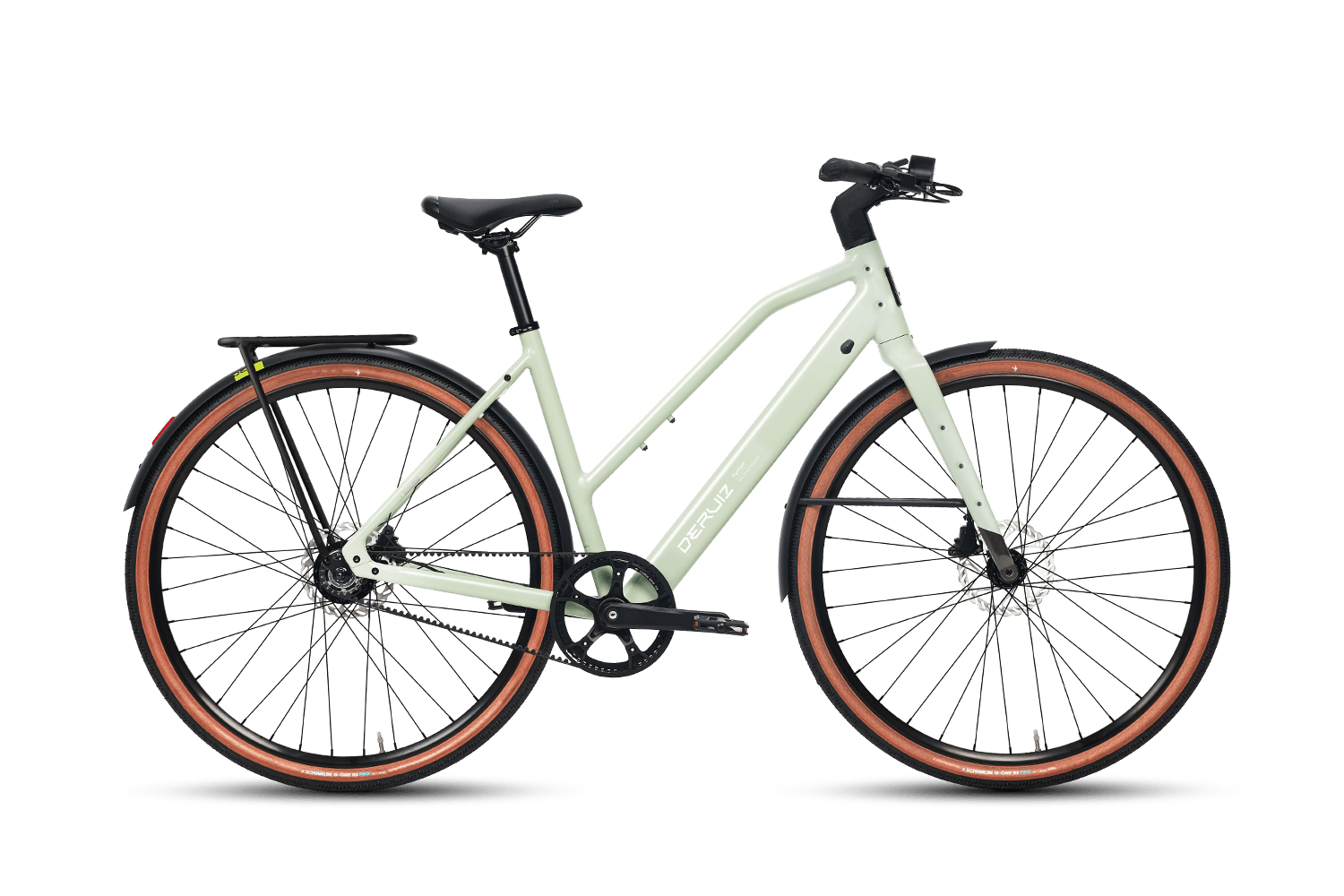
The design language emphasizes understated elegance. These bikes don’t announce themselves with neon accents or aggressive geometry. Instead, they blend into the urban landscape while delivering the performance and reliability that daily riders depend on. A quality urban e-bike looks equally at home outside a corporate office or parked casually near a neighborhood café.
The Real Numbers Why E-Bikes Make Financial Sense
Let’s talk economics. A typical car commute costs the average driver roughly two euros per kilometer when factoring in fuel, maintenance, insurance and parking. Public transit isn’t free either. An e-bike, even a quality one, costs a fraction of annual transportation expenses and pays for itself in months.
A single charge on a modern battery powers 50-80 kilometers of assisted riding, depending on terrain and assistance level. That’s roughly five euros in electricity for a full charge. Compare that to any alternative and the financial argument becomes almost embarrassing for the car. Over a year, the savings accumulate to thousands of euros. Some riders calculate that their e-bike investment pays dividends within the first twelve months of regular commuting.
Beyond pure cost, consider the time value. A car commute in heavy traffic might take 45 minutes to cover 20 kilometers, while an e-bike covers the same distance in 35 minutes by using dedicated lanes and cutting through congestion. Over a year, those saved minutes compound into hours of reclaimed personal time.
Key Benefits of Urban E-Biking
- Arrive at work refreshed instead of exhausted, with energy reserves for the full workday.
- Eliminate parking costs, gas expenses and maintenance bills associated with car ownership.
- Enjoy protected bike infrastructure in cities worldwide that increasingly prioritize cyclist safety.
- Reduce commute time variability, no traffic delays, just consistent door-to-door speed.
- Minimize environmental impact while maintaining personal transportation independence.
Building a Habit That Sticks
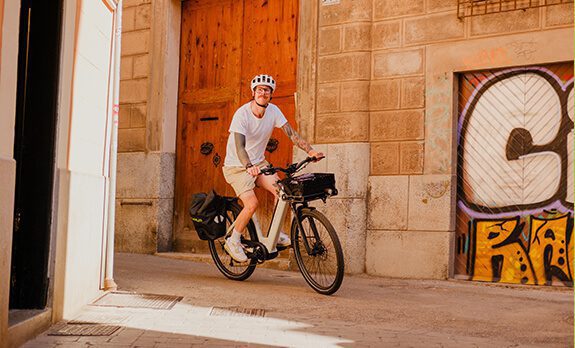
The psychological barrier to cycling often towers higher than any physical hill. It’s the worry about arriving sweaty, the anxiety about rain, the fear of being exhausted before the workday even starts. Modern Deruiz e-bikes demolish these mental barriers entirely. When an electric bike removes the physical struggle, the excuses evaporate.
Within weeks of commuting via e-bike, riders report a striking shift in mood. Morning anxiety reduces. Energy levels improve. The daily commute transforms from something to endure into something actively anticipated. It’s not revolutionary psychology, it’s simply what happens when humans move their bodies outdoors with minimal struggle. The shift becomes self-reinforcing you ride because it feels good and it feels good because you ride regularly.
The Bigger Picture Cities Worth Living In
Urban planners have quietly realized that car-centric city design doesn’t scale. Wider roads don’t reduce congestion; they encourage more driving. Cities experimenting with e-bike infrastructure, protected lanes, secure parking, integration with public transit, see measurable improvements in congestion, air quality and public health.
Deruiz urban e-bikes represent an individual’s vote for this kind of city. Every commute on an electric bike is a small rebellion against unnecessary traffic and a statement of preference for livable urban spaces. Multiplied across a city’s commuting population, these individual choices shape infrastructure priorities and political will. Cities with higher cycling rates invest in better infrastructure, which attracts more cyclists in a positive feedback loop. The transition is already underway in European cities where bike commuting has moved from niche hobby to mainstream transportation.
The morning commute doesn’t have to be an ordeal. With a Deruiz urban e-bike, it becomes something genuinely better.